Utilizing Spotters for Backing up Vehicles
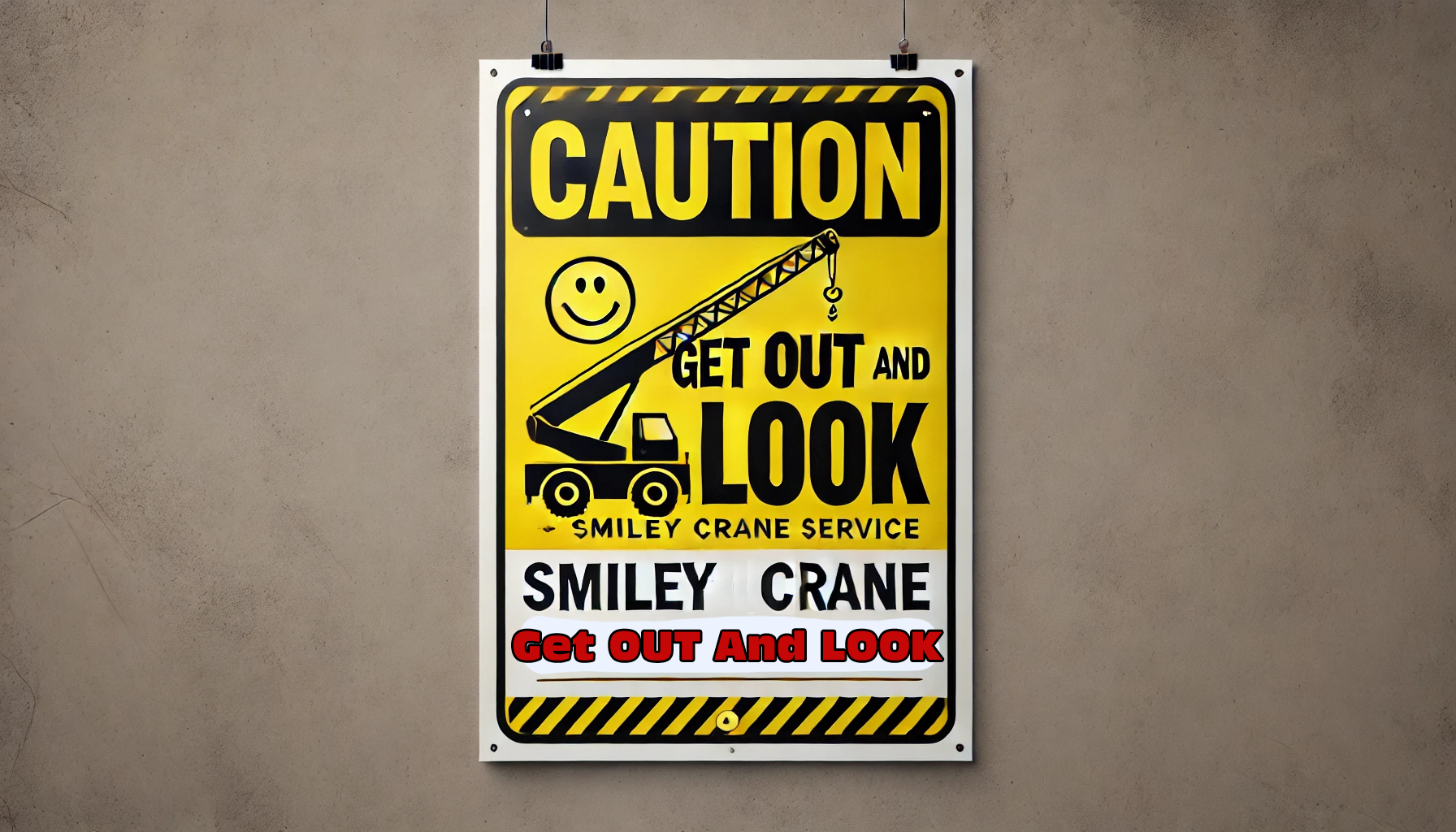
Utilizing Spotters for Backing up Vehicles
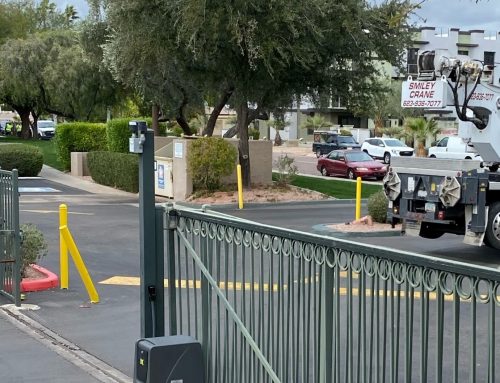
At Smiley Crane, safety is our top priority. One critical aspect of our safety protocol is the use of spotters when backing up vehicles. This practice is not just a recommendation but a vital procedure that significantly reduces the risk of accidents. Remember that if you don’t have a Smiley Team Member around to act as a spotter, politely asking the HVAC contractor or one of the contractor’s crew members onsite to assist is ok.
The GOAL Model: Get Out and Look
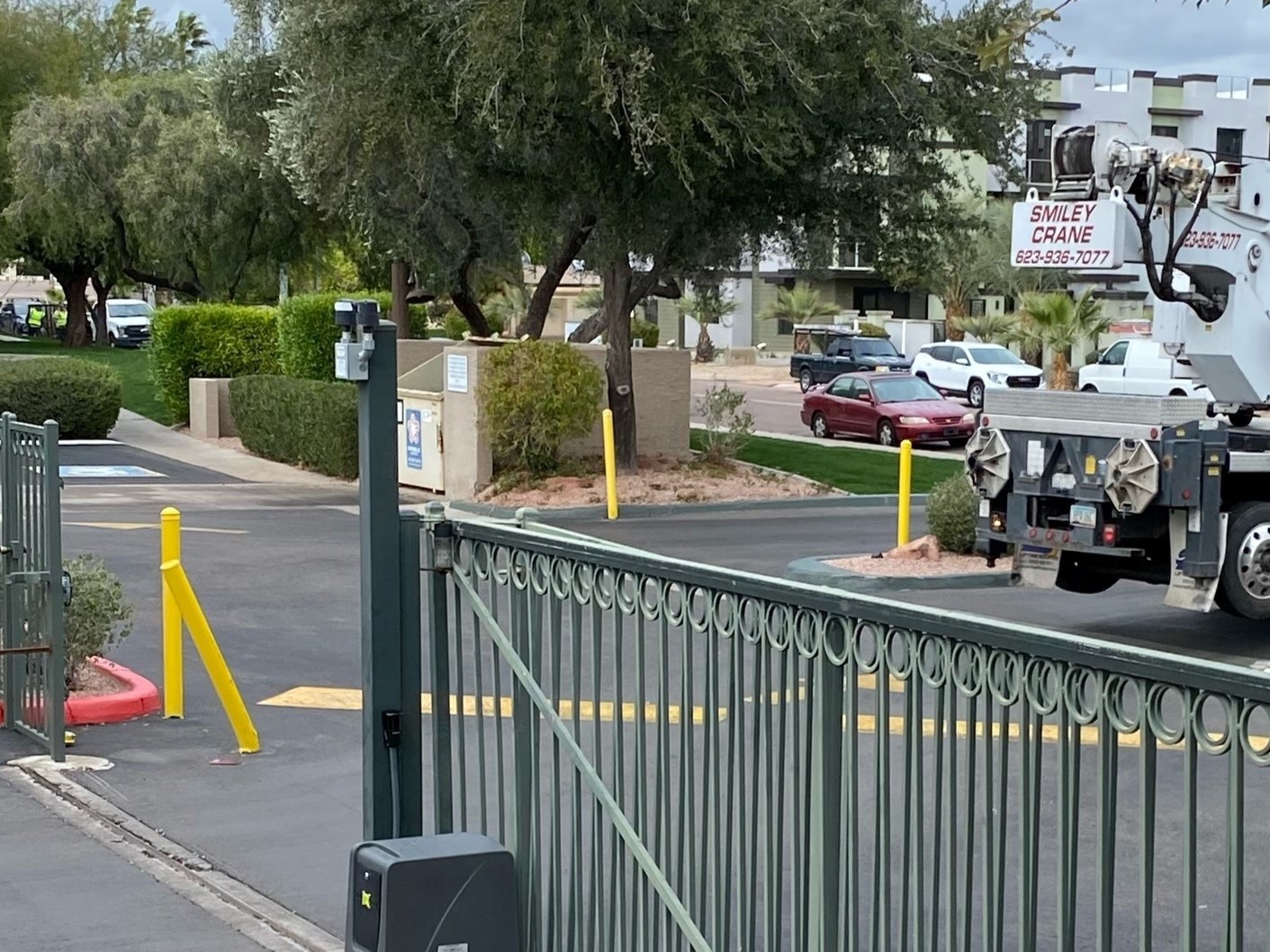
Lately, we have seen an increase in damage caused by backing into items or other vehicles due to not utilizing the GOAL (Get Out and Look) model. This model emphasizes the importance of the driver physically getting out of the vehicle to assess the surroundings before backing up. By taking a few moments to inspect the area, drivers can identify potential hazards that may not be visible from the cab, further reducing the risk of accidents.
The Importance of Using a Spotter
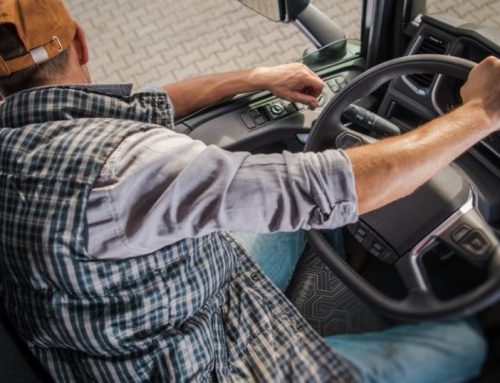
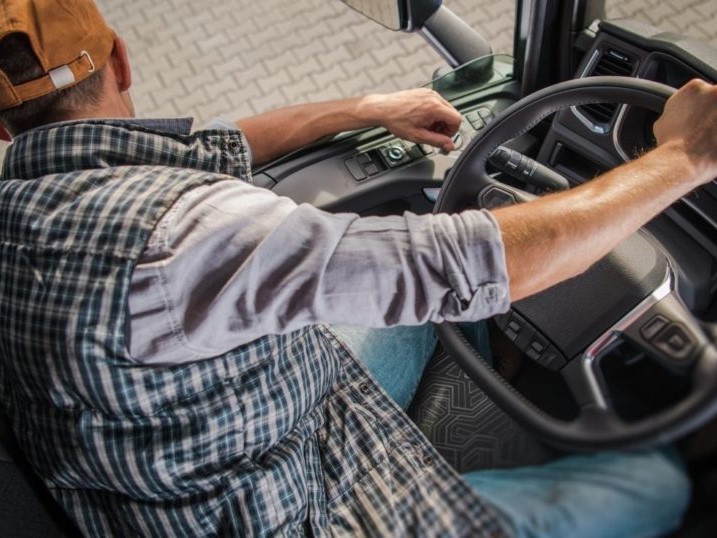
Enhanced Visibility: Backing up vehicles, especially large ones like cranes and trucks, inherently comes with blind spots and limited visibility. Even with the best mirrors and cameras, a driver’s field of view can be obstructed. A spotter acts as an extra set of eyes, providing a clear view of the entire backing area and identifying obstacles that the driver may not see.
Preventing Accidents: Accidents during vehicle backing can lead to severe injuries, fatalities, and significant property damage. A spotter helps to navigate around obstacles such as other vehicles, equipment, and personnel, drastically reducing the risk of collisions. Drivers should utilize their teammates as spotters or even politely ask the contractor crew on site to assist in spotting when necessary.
Improving Communication: Effective communication between the driver and the spotter is crucial for safe vehicle maneuvering. The spotter provides real-time feedback and guidance, ensuring that the driver is aware of any potential hazards. This communication can be through hand signals or two-way radios, allowing for precise and immediate instructions.
Compliance with Safety Regulations: Industry safety standards and regulations often mandate the use of a spotter when backing up vehicles. Adhering to these guidelines not only ensures compliance but also minimizes legal liabilities and enhances the overall safety culture at Smiley Crane.
Detailed Procedures for Using a Spotter
Pre-Operation Briefing: Before any backing operation, the driver and the spotter should conduct a brief meeting. This session should cover:
- The backing plan and route.
- Identification of potential hazards.
- Agreement on the communication method, including standardized hand signals or radio protocols.
Positioning the Spotter: The spotter should be positioned where they have a full view of the backing area while remaining visible to the driver. Typically, this would be on the side of the vehicle, slightly behind the direction of travel, where they can see both the rear of the vehicle and the surroundings.
Clear Communication: Standardized hand signals are essential for clear communication. Both the driver and the spotter should be trained and familiar with these signals. Alternatively, two-way radios can be used to provide verbal instructions. Consistency in communication methods ensures that both parties understand each other perfectly.
Continuous Observation: The spotter must continuously observe the surroundings, the vehicle’s path, and any changes in the environment. They should guide the driver step-by-step, ensuring a clear path and adjusting instructions as needed to navigate around any obstacles.
Immediate Stoppage if Uncertain: If at any point the driver loses sight of the spotter or is unsure of the spotter’s instructions, they must stop the vehicle immediately. The operation should only continue once clear communication is re-established, and both parties are confident in the maneuver.
Conclusion
Utilizing a spotter when backing up vehicles is a fundamental safety practice at Smiley Crane. It enhances visibility, prevents accidents, improves communication, and ensures compliance with safety regulations. By following detailed procedures and best practices, we can create a safer working environment for everyone.
Remember, safety is a team effort. Always use a spotter, communicate clearly, and never take unnecessary risks. Together, we can prevent accidents and ensure that everyone goes home safely at the end of the day.
For further information or to schedule training on using spotters, please contact the Safety Department at Smiley Crane.
Stay Safe, Smiley Crane Team!